
GPT Image 1 Mini is described by OpenAI as a cost-efficient version of GPT Image 1: a natively multimodal model that accepts text and image inputs and produces image outputs at significantly lower per-image prices.
- Input
- text image $2/M
- Output
- image $8/M
Price in context
Where the price sits among 9 comparable models
The bar shows how this model’s price compares with every other model of the same kind on Synthorai. The cheapest and the most expensive are named at each end. These are base rates; batch, region and cache-write discounts are on the pricing page.
Specs & limits
Image
| Sizes |
|
|---|---|
| Input modes | text-to-image, image edit with mask inpainting |
| Format | png, jpeg, webp |
| Images per request | 10 |
| Image capabilities |
|
Model
| Modalities | text + image → image |
|---|
Re-checked 2026-08-05: the model page carries no deprecation status for the model or any of its snapshots, and names no retirement date or replacement.
One prompt, measured through the gateway
GPT Image 1 Mini
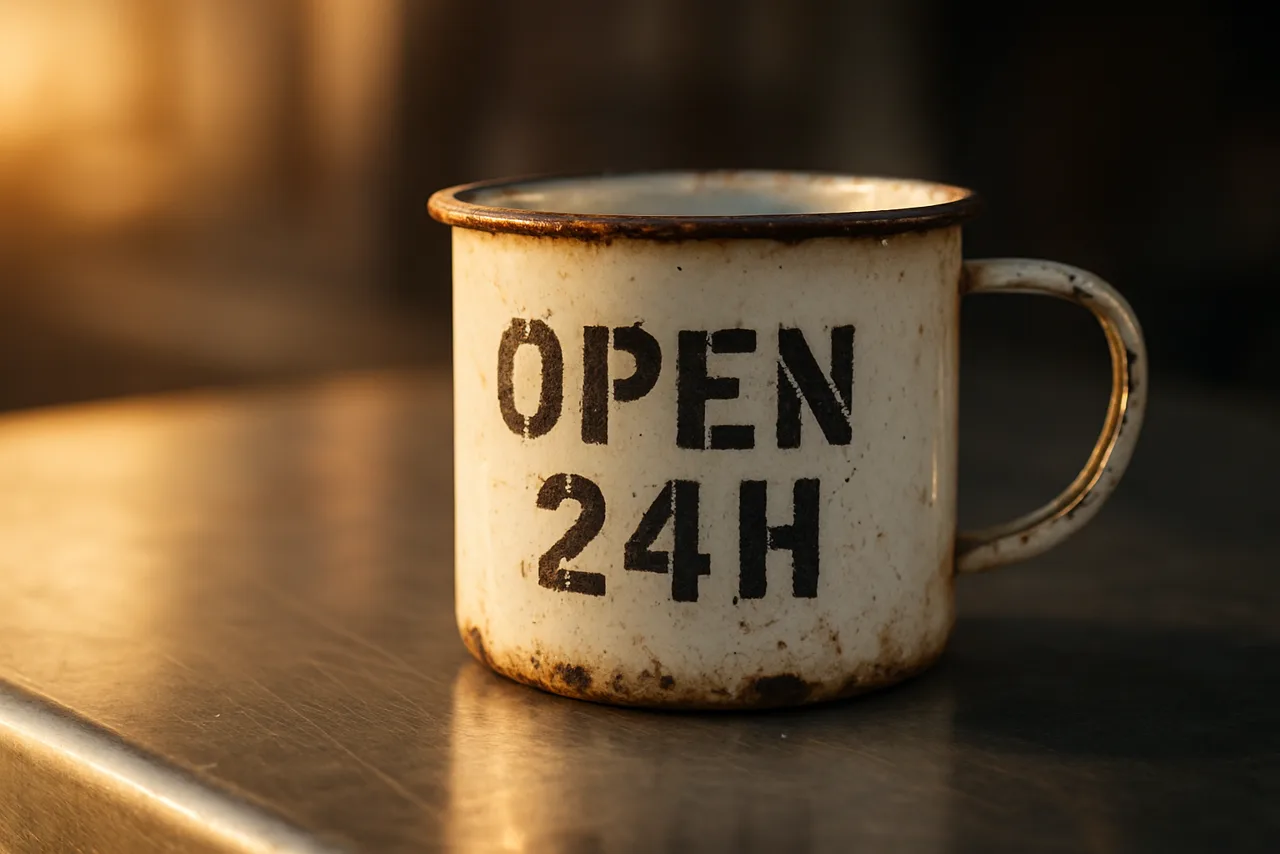
Model returned 1536×1024 latency 19 s
One prompt, one request per model, no retries and no cherry-picking. This is the first result each model returned. Neither size nor duration was pinned: each model used its own default, because a request shaped to fit all of them would flatter none. Files here are re-encoded for the web, so judge composition and prompt adherence, not compression.
Use GPT Image 1 Mini in 30 seconds
OpenAI-compatible: swap the base_url, keep your SDK. POST /v1/images/generations
from openai import OpenAI

client = OpenAI(
    base_url="https://synthorai.io/v1",
    api_key="sk-syn-...",
)

resp = client.images.generate(
    model="gpt-image-1-mini",
    prompt="a watercolor lighthouse at dawn",
    size="1024x1024",
)
print(resp.data[0].b64_json[:80])
import OpenAI from "openai";
const client = new OpenAI({
baseURL: "https://synthorai.io/v1",
apiKey: "sk-syn-...",
});
const resp = await client.images.generate({
model: "gpt-image-1-mini",
prompt: "a watercolor lighthouse at dawn",
size: "1024x1024",
});
console.log(resp.data?.[0]?.b64_json?.slice(0, 80));curl https://synthorai.io/v1/images/generations \
-H "Authorization: Bearer sk-syn-..." \
-H "Content-Type: application/json" \
-d '{
"model": "gpt-image-1-mini",
"prompt": "a watercolor lighthouse at dawn",
"size": "1024x1024"
}'package main
import (
"context"
"fmt"
"github.com/openai/openai-go/v3"
"github.com/openai/openai-go/v3/option"
)
func main() {
client := openai.NewClient(
option.WithBaseURL("https://synthorai.io/v1"),
option.WithAPIKey("sk-syn-..."),
)
resp, _ := client.Images.Generate(context.TODO(), openai.ImageGenerateParams{
Model: "gpt-image-1-mini",
Prompt: "a watercolor lighthouse at dawn",
Size: "1024x1024",
})
fmt.Println(resp.Data[0].B64JSON[:80])
}import com.openai.client.OpenAIClient;
import com.openai.client.okhttp.OpenAIOkHttpClient;
import com.openai.models.images.*;
OpenAIClient client = OpenAIOkHttpClient.builder()
.baseUrl("https://synthorai.io/v1")
.apiKey("sk-syn-...")
.build();
ImagesResponse resp = client.images().generate(
ImageGenerateParams.builder()
.model("gpt-image-1-mini")
.prompt("a watercolor lighthouse at dawn")
.size("1024x1024")
.build());
System.out.println(resp.data().orElseThrow().get(0).b64Json().orElseThrow().substring(0, 80));About GPT Image 1 Mini
- It supports low, medium, and high quality tiers, three resolution options covering square, portrait, and landscape formats at 1024x1024, 1024x1536, and 1536x1024, and discounted cached text input.
- Notably, cost is the only difference OpenAI's documentation actually asserts between mini and the full model: the two pages describe the same modalities, the same sizes, the same quality tiers, and the same rate-limit structure.
- It serves the image generation and edits endpoints and is available through the Batch API, though the Responses API image path is not listed for it.
- The shared image API applies: PNG, JPEG, or WebP output with adjustable compression, transparent or opaque backgrounds where the format supports it, up to ten images in one request, selectable moderation sensitivity, and streamed partial images during generation.
- OpenAI's guidance on which surface to use applies here as everywhere: reach for the Image API when you need one image from one prompt, and the Responses API when you want a conversational, editable image experience.
- Requests blocked by moderation return a specific error code rather than an empty image, which is worth handling explicitly in a batch pipeline.
- It targets high-volume generation work where unit economics outweigh peak fidelity, such as thumbnails, variants, and preview passes.
- Image jobs sent to Synthorai's OpenAI-compatible /v1/images/generations endpoint can select gpt-image-1-mini directly.
FAQ
Is the GPT Image 1 Mini API free to try?
Yes: new accounts get 10 trial calls and up to $1 in free credit, no card required. That's enough to try GPT Image 1 Mini against your real workload before adding a payment method.
What is GPT Image 1 Mini best at?
Significantly lower per-image prices; square, portrait, and landscape formats; discounted cached text input. See the About section for the full picture from the vendor's own release notes.
How much does GPT Image 1 Mini cost?
GPT Image 1 Mini costs $2 per million input tokens and $8 per million output tokens on Synthorai. That is the provider's list price, with no platform markup.
How do I generate images with the GPT Image 1 Mini API?
POST to /v1/images/generations on Synthorai with model="gpt-image-1-mini". It follows the OpenAI images API shape, so no vendor SDK is needed. Supported sizes: 1024x1024, 1536x1024, 1024x1536, auto.
How do I get access to GPT Image 1 Mini?
Point your existing OpenAI SDK at base_url="https://synthorai.io/v1", set model="gpt-image-1-mini", and you're done. One API key covers every model on the gateway.
Related models
Compare
Every value on this page is transcribed from the vendor's own documentation, linked above, and carries the date it was checked. Prices are compared across the catalogue; specification values that vendors define differently are shown with the difference stated rather than charted. Nothing here is measured by us, and nothing is scored.