
qwen-image-2.0-pro vs wan2.7-image-pro
Which one, when
Both are Alibaba image models at the same $0.075 per call, so the choice is what each can produce: wan2.7-image-pro reaches 4K text-to-image and takes 0-9 reference images with sets of up to 12, while qwen-image-2.0-pro is native 2K with 1-3 input images for editing and up to 6 images per request. wan2.7-image-pro is also the newer of the two, 2026-04 against 2026-02. Pick qwen-image-2.0-pro for its 2K aspect presets, wan2.7-image-pro for 4K, more references or larger sets.
Pricing
| qwen-image-2.0-pro | wan2.7-image-pro | Δ | |
|---|---|---|---|
| Per generated image | $0.075 | $0.075 | = |
Rates from the live catalogue at build time; each model page carries the current rate card.
Where they sit · price per generated image across all 8 image-generation models on this billing unit (log scale)
Specs
| qwen-image-2.0-pro | wan2.7-image-pro | |
|---|---|---|
| Input modalities | text image | text image |
| Output modalities | image | image |
| Released | 2026-02-11 | 2026-04-01 |
| Output sizes |
|
|
| Input modes | text-to-image, image editing (1-3 input images) | text-to-image, image editing (incl. bounding-box interactive edit), 0-9 reference images, text/image-to-image-set |
| Images per request | 6 | 12 |
| Formats | png | png |
| Notes | Native 2K, custom WxH and standard aspect presets flagship fused generation+editing with enhanced text rendering, realistic textures and semantic adherence 1-6 images per request negative prompts | 4K text-to-image (max 4096x4096; editing max 2K), aspect ratios 1:8-8:1 instruction + click-to-edit editing character-consistent sets up to 12 images print-quality text rendering incl. formulas/tables |
Specs are transcribed from each vendor’s documentation; a row a vendor does not publish is left out rather than inferred. Full sources: qwen-image-2.0-pro · wan2.7-image-pro
One prompt, both models, measured through the gateway
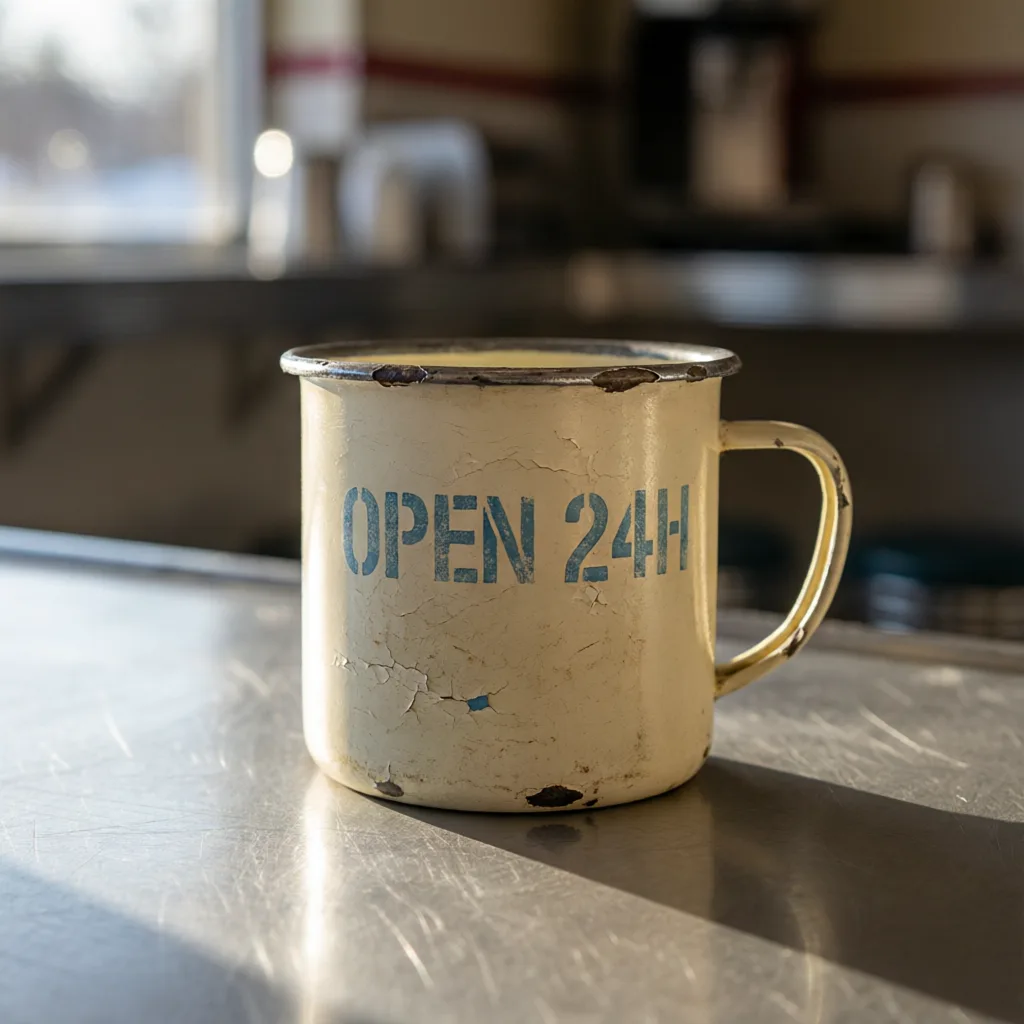
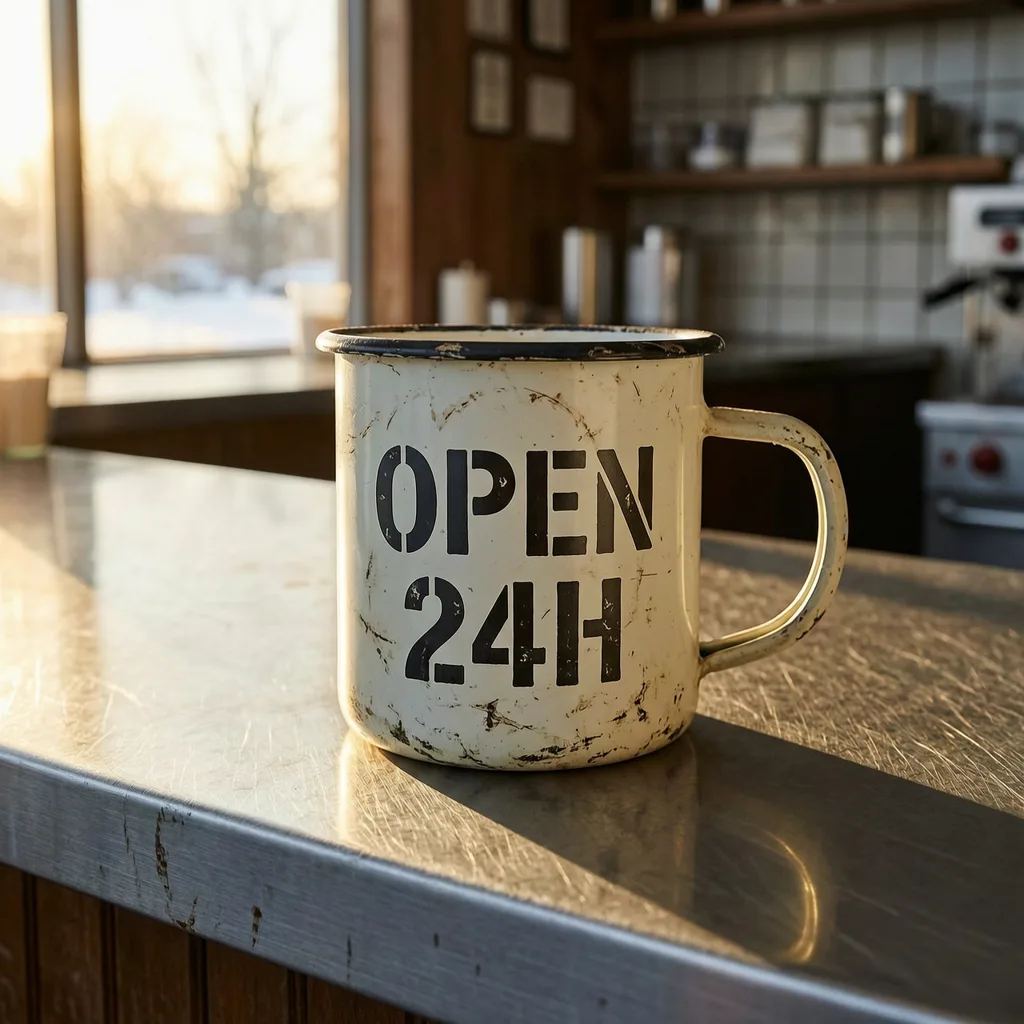
One prompt, one request per model, no retries and no cherry-picking. This is the first result each model returned. Neither size nor duration was pinned: each model used its own default, because a request shaped to fit all of them would flatter none. Files here are re-encoded for the web, so judge composition and prompt adherence, not compression.
Switch between them with one line
Both ids are in every tab below; the highlighted pair of lines is the only edit. Same endpoint, same key, same request shape.
from openai import OpenAI

client = OpenAI(
    base_url="https://synthorai.io/v1",
    api_key="sk-syn-...",
)

resp = client.images.generate(
    model="qwen-image-2.0-pro",
    # model="wan2.7-image-pro",  # uncomment this line, comment the one above
    prompt="a watercolor lighthouse at dawn",
    size="1024x1024",
)
print(resp.data[0].b64_json[:80])
import OpenAI from "openai";
const client = new OpenAI({
baseURL: "https://synthorai.io/v1",
apiKey: "sk-syn-...",
});
const resp = await client.images.generate({
model: "qwen-image-2.0-pro",
// model: "wan2.7-image-pro", // uncomment this line, comment the one above
prompt: "a watercolor lighthouse at dawn",
size: "1024x1024",
});
console.log(resp.data?.[0]?.b64_json?.slice(0, 80));curl https://synthorai.io/v1/images/generations \
-H "Authorization: Bearer sk-syn-..." \
-H "Content-Type: application/json" \
-d '{
"model": "qwen-image-2.0-pro",
# "model": "wan2.7-image-pro", # uncomment this line, comment the one above
"prompt": "a watercolor lighthouse at dawn",
"size": "1024x1024"
}'package main
import (
"context"
"fmt"
"github.com/openai/openai-go/v3"
"github.com/openai/openai-go/v3/option"
)
func main() {
client := openai.NewClient(
option.WithBaseURL("https://synthorai.io/v1"),
option.WithAPIKey("sk-syn-..."),
)
resp, _ := client.Images.Generate(context.TODO(), openai.ImageGenerateParams{
Model: "qwen-image-2.0-pro",
// Model: "wan2.7-image-pro", // uncomment this line, comment the one above
Prompt: "a watercolor lighthouse at dawn",
Size: "1024x1024",
})
fmt.Println(resp.Data[0].B64JSON[:80])
}import com.openai.client.OpenAIClient;
import com.openai.client.okhttp.OpenAIOkHttpClient;
import com.openai.models.images.*;
OpenAIClient client = OpenAIOkHttpClient.builder()
.baseUrl("https://synthorai.io/v1")
.apiKey("sk-syn-...")
.build();
ImagesResponse resp = client.images().generate(
ImageGenerateParams.builder()
.model("qwen-image-2.0-pro")
// .model("wan2.7-image-pro") // uncomment this line, comment the one above
.prompt("a watercolor lighthouse at dawn")
.size("1024x1024")
.build());
System.out.println(resp.data().orElseThrow().get(0).b64Json().orElseThrow().substring(0, 80));FAQ
Which is cheaper, qwen-image-2.0-pro or wan2.7-image-pro?
They list the same price on the "Per generated image" row ($0.075), so price does not decide this one. See the specs and capabilities below.
Can I A/B test qwen-image-2.0-pro against wan2.7-image-pro without two integrations?
Yes. Both are served through the same OpenAI-compatible endpoint with one API key. Switching is a one-line change to the model id, so you can route a fraction of traffic to each and compare bills directly.
Does the price change with image size?
It depends on how the model bills. Per-image models charge the same regardless of prompt or output size; token-billed models scale with the resolution you render, so a 4K image costs a multiple of a small one. The table above shows which applies to each.